

Guide
Private label, white label or bespoke: what is the difference?
White label means a ready-made product sold under your name with little or no change; private label means a product made for you, with your branding and chosen options, from a manufacturer's base formulas; bespoke means the formula, fragrance and packaging are developed for you alone. The three differ mainly in how much you control, how much you own and how much effort the approval process takes.
By Hemang Jain, Founder, Anadoris
What does white label mean?
White label is a finished product that a manufacturer makes in one standard form and allows many buyers to sell under their own names. The formula, fragrance, bottle and often the label layout stay the same; only the brand name and logo change.
White label is the quickest route to a branded product because almost every decision has already been made. The trade-off is that another business may sell an identical product under a different name, and you have little say in how it changes over time.
What does private label mean?
Private label is a product made by a manufacturer and sold under the buyer's brand, where the buyer chooses from a set of options. In hotel and personal-care supply, those options usually include the fragrance, the formula base, the bottle or tube, the cap, the colour and the decoration.
The underlying formulas generally belong to the manufacturer and are adapted for you. Your name, logo and artwork belong to you. Private label sits in the middle: more control than white label, far less development than bespoke.
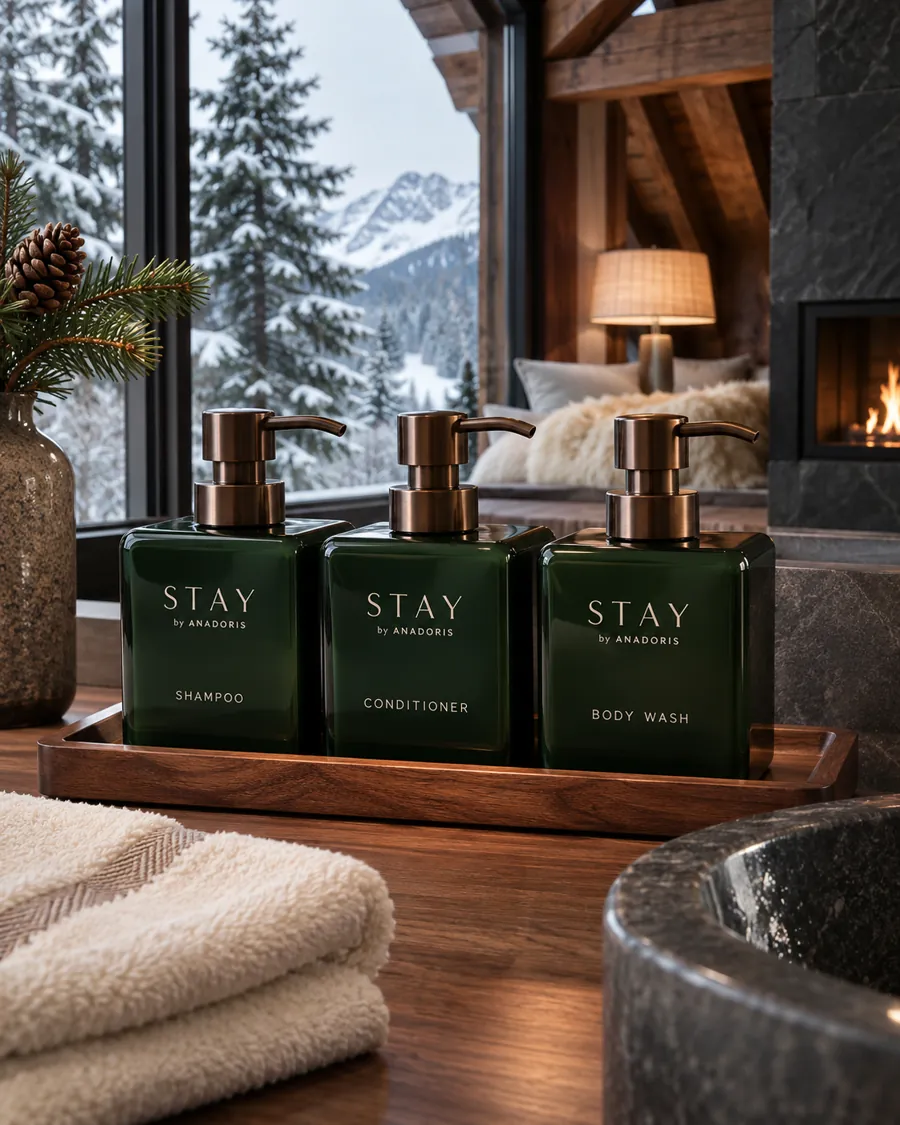
What does bespoke mean?
Bespoke means the product is developed for one buyer. That can include a fragrance created to a brief, a formula adjusted or built to a specification, and packaging designed or tooled specifically for the range.
Bespoke gives the most distinctive result and the strongest case for exclusivity, but it needs the clearest brief, the most sampling rounds and the most patience. It suits buyers whose brand is settled and who plan to keep the range for a long time.
How do the three routes compare?
This table compares white label, private label and bespoke on the points buyers usually ask about. Exact terms vary by manufacturer, so confirm each point in writing.
| Point | White label | Private label | Bespoke |
|---|---|---|---|
| Formula | Manufacturer's standard | Manufacturer's base, adjusted or chosen from a range | Developed or adapted for you |
| Fragrance | Fixed | Chosen from a library | Created to your brief |
| Packaging | Standard | Chosen from stock options, decorated for you | Can be designed or tooled for you |
| Exclusivity | Rarely | Possible for some elements, by agreement | Most likely, by agreement |
| Approval effort | Lowest | Moderate | Highest |
| Minimums | Usually lowest | Set per product and component | Usually highest |
| Often suits | Testing a brand idea | Most hotel groups and small brands | Settled brands with long-term plans |
Which route should you choose?
Choose by answering three questions in order:
- How different must the product be? If a guest or customer would never notice the difference between your product and a standard one, white label or light private label is enough.
- How long will you keep the range? Bespoke work pays back over years, not over one order.
- Who will approve decisions? Each level of customisation adds approvals. If nobody on your side has time to review samples, keep the scope narrow.
A common path is to start with private label, learn what guests respond to, and move individual products to bespoke once the range has proved itself.
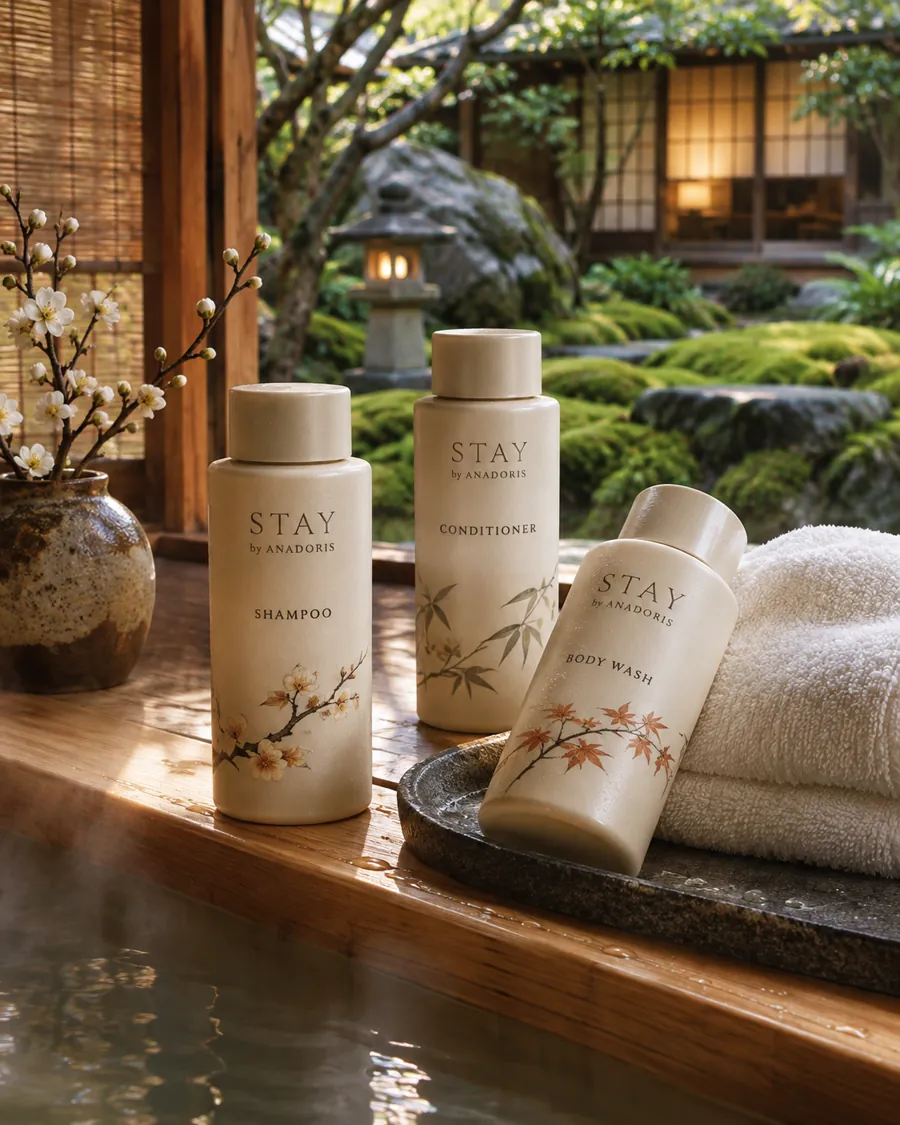
Can you move from one route to another later?
Yes, and many buyers do. Moving from white label to private label usually means choosing a new fragrance or packaging and approving fresh artwork. Moving from private label to bespoke usually means briefing a new fragrance or formula while keeping the brand name, colours and layout guests already know.
Plan the move so it does not confuse guests or staff:
- Keep the brand name and the main visual cues the same across the change.
- Run down old stock before the new products arrive, or decide clearly which properties switch first.
- Change one major element at a time, such as fragrance first and bottle later, so you can tell which change guests notice.
- Check whether your existing agreement allows the artwork and fragrance to move with you.
A switch is smoother when the first agreement already said who owns what. That is the best reason to settle ownership at the start, even for a small white-label order.
Terms people confuse
- Own brand is the buyer's view of private label: the product carries your brand, not the maker's.
- Contract manufacturing means a factory makes a product to the buyer's formula and specification. The buyer usually brings or owns the formula.
- Co-branding means both names appear, for example a hotel name alongside a supplier's collection name.
Use the words your manufacturer uses, but write down what each one means in your agreement. The label on the deal matters less than who owns the formula, who owns the artwork and what exclusivity, if any, applies. STAY explains its own routes on the private label and bespoke pages, and the glossary defines related terms.
Questions on this topic
Is private label the same as white label?
No. White label is a standard product with your name on it, while private label lets you choose fragrance, packaging and decoration from a manufacturer's options.
Do I own the formula in a private-label deal?
Usually not. In most private-label arrangements the manufacturer owns the base formula and you own your brand name, logo and artwork, but this should be set out in your agreement.
Is bespoke always better than private label?
Not always. Bespoke is more distinctive but needs a clear brief, more sampling and higher commitment, so many buyers start with private label and move to bespoke later.
Keep reading
- How do you brief a private-label manufacturer?
- How to choose a fragrance for an own-brand amenity range
- Choosing bottle shape and material for a private-label range
- Caps, pumps and closures: choosing for an own-brand range
- How to stock an Airbnb bathroom
- Hospital and clinic bathroom amenities: what to consider
- Gym locker room amenities: a practical checklist
Looking for supply? See Hotels & resorts, browse the product range or request samples.