

Guide
How do you brief a private-label manufacturer?
Brief a private-label manufacturer by describing your brand and guest, listing every product and format you want, giving references for fragrance and packaging, stating expected volumes and naming who approves. A one-page written brief with these points saves more time than any number of calls.
By Hemang Jain, Founder, Anadoris
Why does the brief matter so much?
A manufacturer can only sample what it understands. Vague briefs such as "something premium and fresh" produce samples that are reasonable but not right, and each correction adds another round.
A good brief does not need technical language. It needs clear choices, honest constraints and examples. The manufacturer's team will translate your words into formulas and components; your job is to describe the result you want and the conditions it must work in.
A written brief also protects you later. When a sample comes back, you can compare it with what was asked for rather than with what people remember from a call. When a new person joins the project, the brief tells them what has been decided and why.
What is the simplest structure for a brief?
Use the same order every time, so nothing is missed:
- Background: who you are, how many properties or sales channels, and why you want your own range now.
- Brand: personality, references and existing assets.
- Products: each product, format and use.
- Packaging: stock or custom, materials, decoration and references.
- Commercial: volumes, dates, markets and budget expectations.
- Process: approvers, number of reviewers and what you want back.
Mark each point as fixed, preferred or open. "Fixed" means the manufacturer must not change it; "preferred" means you would like it but can be persuaded; "open" means you want suggestions. This one habit stops many unnecessary sampling rounds, because the manufacturer knows where it may propose alternatives.
What should the brief say about your brand?
- Who the products are for: guests, gym members, spa clients or online customers, and what they expect.
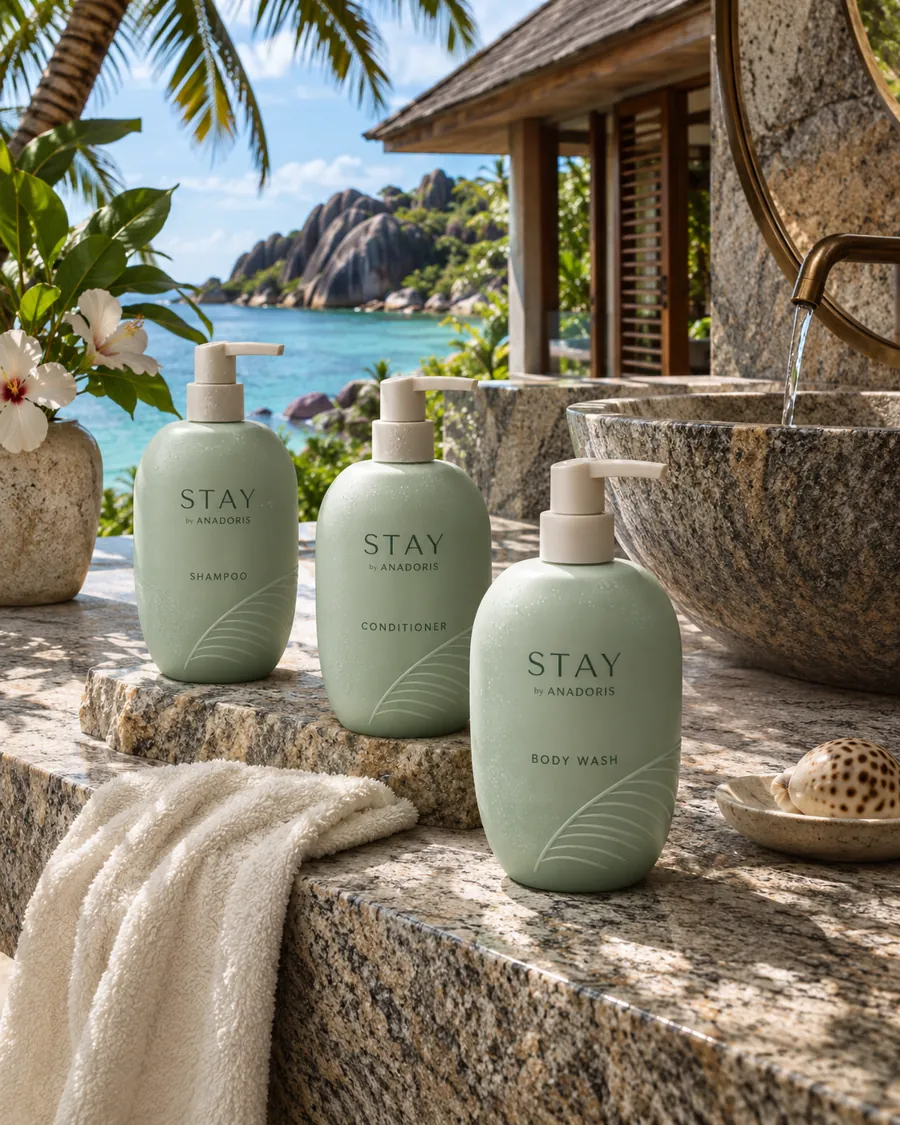
- Brand personality: three or four words, plus examples of brands, interiors or objects that feel right and some that feel wrong.
- Where the products will be seen: a marble bathroom, a shared shower, a retail shelf or a gift box.
- Existing brand assets: logo files, colour references, typefaces and any brand guidelines.
References are more useful than adjectives. One photograph of a bathroom you admire tells a manufacturer more than a paragraph of description.
What should it say about products and formats?
List each product on its own line with its intended use and format. For example: shampoo, conditioner, body wash, body lotion, hand wash and bar soap, each marked as miniature, dispenser refill or retail size.
Note any requirements on ingredients, such as a wish to avoid certain ingredient types, and any claims you hope to make. Claims need evidence and must suit your market's rules, so raise them at the start rather than after artwork is drawn. If you are unsure which products you need, say so; a manufacturer can suggest a starting range.
What should it say about packaging and decoration?
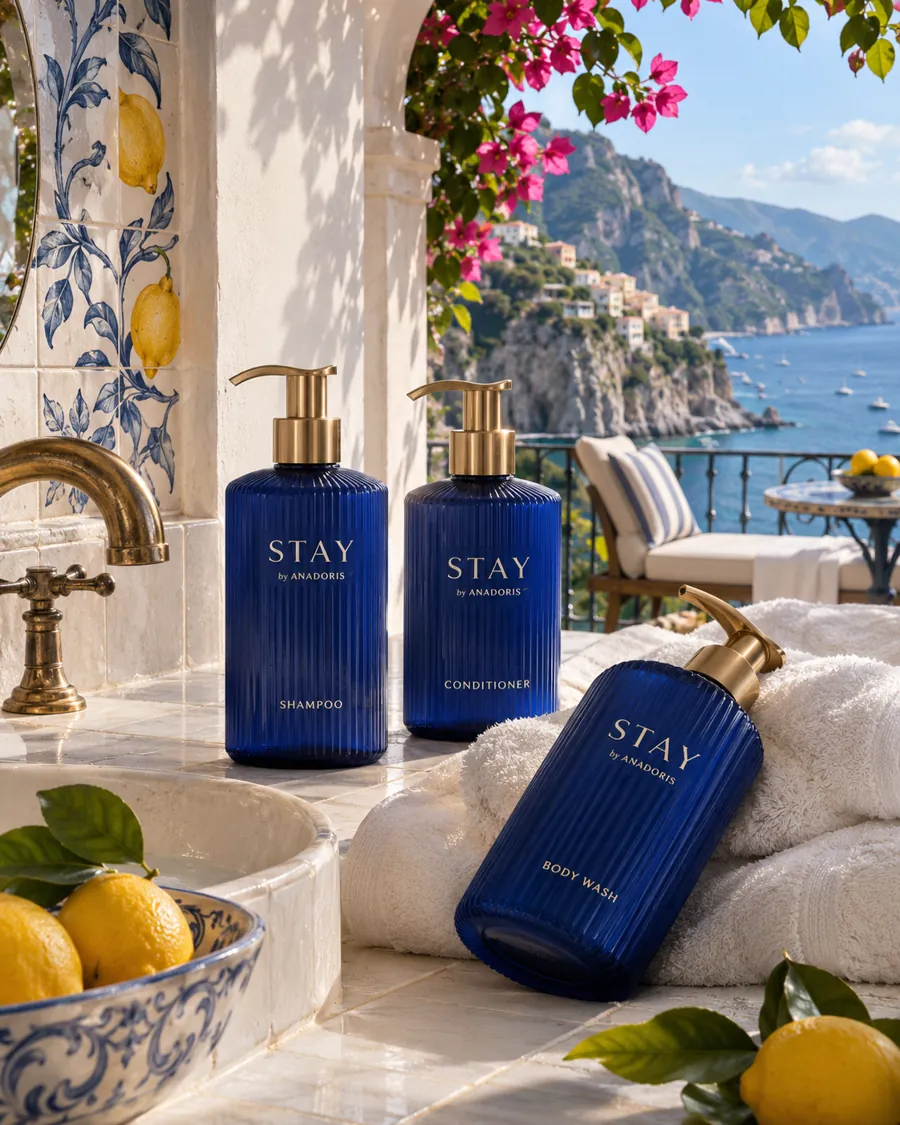
State whether you want to choose from the manufacturer's stock bottles, tubes and caps or need something designed for you. Give references for shape, finish and colour. Say how the brand should appear: direct print, a label or a sleeve, if you know.
Mention practical conditions too: wet hands, wall dispensers, travel, hot climates or display under bright lighting. These shape the choice of material, closure and decoration more than taste does.
What commercial details belong in the brief?
This table lists the commercial details a manufacturer needs and why each one matters. Give ranges if you do not have exact figures.
| Detail | Why it matters |
|---|---|
| Expected annual volume per product | Shapes pricing and whether minimums are workable |
| First order quantity | Sets component purchasing and production planning |
| Target date for products in use | Lets the manufacturer plan backwards and flag risks |
| Delivery locations | Affects packing, cartons and shipping documents |
| Markets where products will be sold or used | Determines labelling and regulatory requirements |
| Budget expectations | Helps the manufacturer propose realistic options |
How should you handle approvals in the brief?
Name one person who approves samples and artwork, and one deputy. State how many people need to see each sample and how feedback will be collected. Most launch delays come from approvals, not production.
Agree how feedback will be sent: one consolidated message per sample round, written against the brief, is far easier to act on than comments arriving from several people over time. If two reviewers disagree, the approver settles it before feedback goes to the manufacturer. Ask the manufacturer to confirm each round in writing, listing what will change in the next sample, so both sides share the same record.
Close the brief with what you want back: samples, a quotation, a proposed timeline or all three. If you want to explore options before writing a brief, the design-your-collection configurator helps you picture combinations, and the private label page explains how STAY handles a brief. For a broader supplier brief, see what to put in an amenity supplier brief.
Questions on this topic
How long should a private-label brief be?
One or two pages is usually enough. It should cover brand, products, packaging, volumes, markets, dates and approvers.
Do I need a designer before briefing a manufacturer?
Not necessarily. You need your logo and brand references; a designer becomes important when artwork is being prepared for print.
What if I do not know which products I need?
Say so in the brief. A manufacturer can propose a starting range based on your setting and guests, which you can then narrow down.
Keep reading
- Private label, white label or bespoke: what is the difference?
- How to choose a fragrance for an own-brand amenity range
- Choosing bottle shape and material for a private-label range
- Caps, pumps and closures: choosing for an own-brand range
- How to stock an Airbnb bathroom
- Hospital and clinic bathroom amenities: what to consider
- Gym locker room amenities: a practical checklist
Looking for supply? See Hotels & resorts, browse the product range or request samples.