

Guide
Batch codes and traceability: why they matter for amenities
Traceability means being able to follow any unit of an amenity back to its production batch, raw materials and records, and forward to where it was delivered. Batch codes and retained samples are what make that possible, and they turn a vague complaint into a problem that can be investigated.
By Hemang Jain, Founder, Anadoris
What is traceability in amenity supply?
Traceability is the ability to identify where a product came from and where it went. Backward traceability links a finished unit to its batch record, the raw material lots used and the packaging components. Forward traceability links a batch to the customers, warehouses or properties that received it.
For a hotel or brand, traceability answers practical questions quickly. Which properties received the batch a guest complained about? Is the problem limited to one batch or several? Which fragrance lot went into it? Without traceability, these questions lead to guesswork, broad withdrawals and lost time.
Traceability is not only for large companies. Even a single boutique hotel benefits from knowing which delivery a carton came from when a problem appears.
What is a batch code and where should it appear?
A batch code (or lot number) is a unique identifier given to a quantity of product made under the same conditions in one production run. It should appear on:
- Each unit, where size allows, printed or embossed on the bottle, tube, sachet or soap wrap.
- Each shipping carton, together with the product code and quantity.
- The certificate of analysis and the delivery documents.
Very small items, such as tiny sachets, may carry the code only on the inner pack. Ask the supplier where codes appear on each item so housekeeping and stores staff know where to look. A code that is printed but rubs off in a humid bathroom does not help anyone, so check legibility after use as well as at delivery.

What records should a supplier keep for each batch?
This table summarises the records that make traceability work and what each links together.
| Record | Links | Used to answer |
|---|---|---|
| Batch manufacturing record | Batch code to process steps, operators and equipment | How was this batch made? |
| Raw material lot record | Batch code to ingredient lots used | Which fragrance or base lot went in? |
| Packaging component record | Batch code to bottle, closure and label lots | Is this a pack problem or a product problem? |
| Quality release record and COA | Batch code to test results and release decision | Did the batch meet specification? |
| Dispatch record | Batch code to customer, order and shipment | Who received this batch? |
| Retained sample log | Batch code to stored sample | Can we re-test the original material? |
What are retained samples and why keep them?
A retained sample is a quantity of finished product kept by the manufacturer from each batch, stored under controlled conditions for at least the product's shelf life. If a complaint arises, the supplier can test the retained sample to see whether the problem existed at production or developed later in transport, storage or use.
Buyers can keep their own retained units too: one or two units from each delivery, labelled with the batch code and date received and stored in a cool, dark place. When a guest or staff member reports a problem, comparing the complaint unit with your retained unit from the same batch is often the quickest first test. It helps separate a batch problem from a single damaged unit or a storage issue at one property.
How should a hotel record batches on its side?
- Record the batch code of each delivery in your goods receipt log.
- If you distribute to several properties from a central store, record which batch went where.
- Ask housekeeping to note the batch code on any complaint about a product.
- Keep certificates of analysis filed by batch.
- Keep a small number of retained units per batch until that batch is used up and a reasonable period has passed.
These steps take little effort once they are routine, and they make the difference between withdrawing one batch and withdrawing everything. They also make conversations with the supplier factual: you can quote a batch, a date and a property instead of describing a vague impression.
How does traceability help in a recall or withdrawal?
If a batch needs to be withdrawn, traceability limits the scope. The supplier identifies affected batches from its records, you identify where those batches went from yours, and only those units are removed. Without traceability, the safe choice is often to remove every unit of the product from every property, which costs far more and disrupts rooms.
Ask any supplier to describe how it would handle a withdrawal: who decides, how customers are told and how affected stock is identified. A clear answer is a good sign that the records exist and are used.
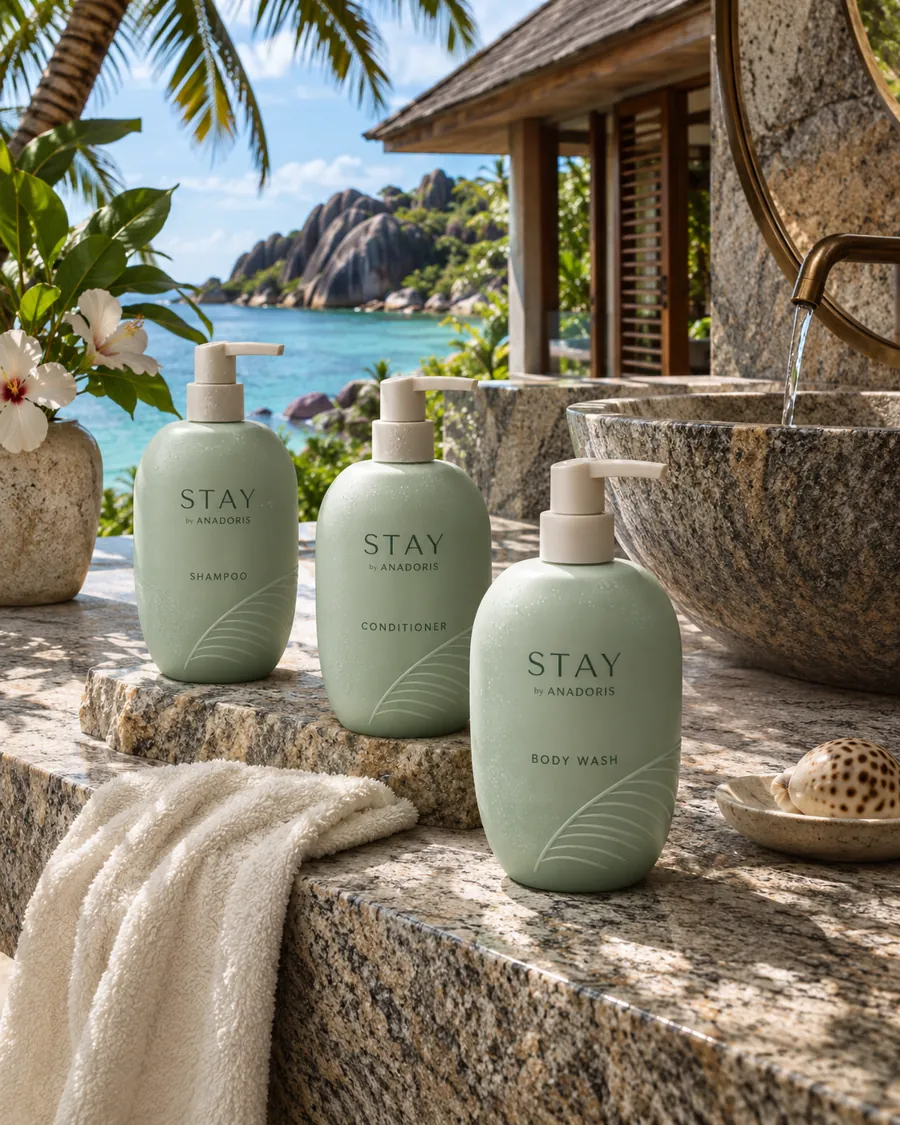
STAY by Anadoris applies batch coding and record keeping under its ISO 22716 good manufacturing practice system, described on the manufacturing page; terms such as batch record and retained sample are in the glossary.
Questions on this topic
What is the difference between a batch code and a product code?
A product code identifies the item, such as a particular shampoo in a particular size. A batch code identifies one production run of that item.
How long should retained samples be kept?
Manufacturers typically keep them for at least the product's shelf life. Agree the period with your supplier and keep your own units until each batch is used up.
Do tiny sachets need batch codes?
They should be traceable. If the unit is too small to print, the code should be on the inner or outer pack.
Keep reading
- Manufacturer, trader or distributor: who should supply your amenities?
- Sourcing hotel amenities from India for properties abroad
- RFI, RFQ or RFP: which request should an amenity buyer send?
- How to compare amenity samples from rival suppliers fairly
- How to stock an Airbnb bathroom
- Hospital and clinic bathroom amenities: what to consider
- Gym locker room amenities: a practical checklist
Looking for supply? See Hotels & resorts, browse the product range or request samples.