

Guide
What does GMP or ISO 22716 mean for cosmetics?
Good manufacturing practice (GMP) is the set of controls that make sure cosmetics are made consistently, hygienically and to an agreed standard every time. ISO 22716 is the international guideline that describes GMP for cosmetics, covering everything from staff and premises to raw materials, production, testing and complaints.
By Hemang Jain, Founder, Anadoris
What is good manufacturing practice?
GMP is a way of running a factory so that quality is built into the process rather than checked only at the end. It assumes that a final test on a few units cannot catch every problem, so it controls the conditions that cause problems in the first place: clean equipment, trained people, approved materials, written instructions and records of what was done.
For a buyer, GMP is the reason a batch made next year should match the batch you approved today.
What is ISO 22716?
ISO 22716 is the international standard that gives guidelines on good manufacturing practices for cosmetics. It covers the production, control, storage and shipment of cosmetic products. In the EU, Regulation (EC) No 1223/2009 requires cosmetics to be manufactured in line with GMP, and compliance with the harmonised standard EN ISO 22716 is presumed to meet that requirement.
Other markets refer to it too. MoCRA directed the US FDA to set GMP rules for cosmetics, and ISO 22716 is widely used as a reference point when buyers and regulators assess factories.

What areas does ISO 22716 cover?
This table summarises the main areas of the guideline and what a buyer might see on a factory visit.
| Area | What it controls | What you might see |
|---|---|---|
| Personnel | Training, responsibilities and hygiene | Training records, changing areas, hygiene rules |
| Premises | Layout, cleaning and pest control | Separated zones, cleaning schedules |
| Equipment | Suitability, cleaning and calibration | Calibration labels, cleaning logs |
| Raw materials and packaging | Receipt, sampling, approval and storage | Quarantine and released stock clearly marked |
| Production | Written instructions and batch records | Batch manufacturing records, line clearance |
| Finished products | Release, storage and shipment | Release sign-off before dispatch |
| Quality control laboratory | Testing against specifications | Test records, retained samples |
| Deviations, complaints and recalls | Handling things that go wrong | Deviation logs, complaint files, recall procedure |
| Internal audit and documentation | Checking the system works | Audit reports, controlled documents |
What does an ISO 22716 certificate prove?
A certificate shows that an independent certification body audited the site against the guideline and found it conforming for the activities listed in the scope. It is a strong signal that the factory has a working system. It does not prove that a particular product is safe for a particular use, that every claim on its label is substantiated, or that the product meets the labelling rules of your market. Those are separate questions.
How should a buyer check a GMP claim?
- Ask for a copy of the certificate and read the scope: it should cover manufacture of cosmetics at the site that will make your product.
- Check the certification body and the validity date.
- Ask whether the products you are buying are made at the certified site or subcontracted.
- Ask to see examples of a batch record and a certificate of analysis.
- Where possible, visit, or ask for a recent audit summary.
Our guide to auditing a supplier's quality system turns these checks into a visit plan.
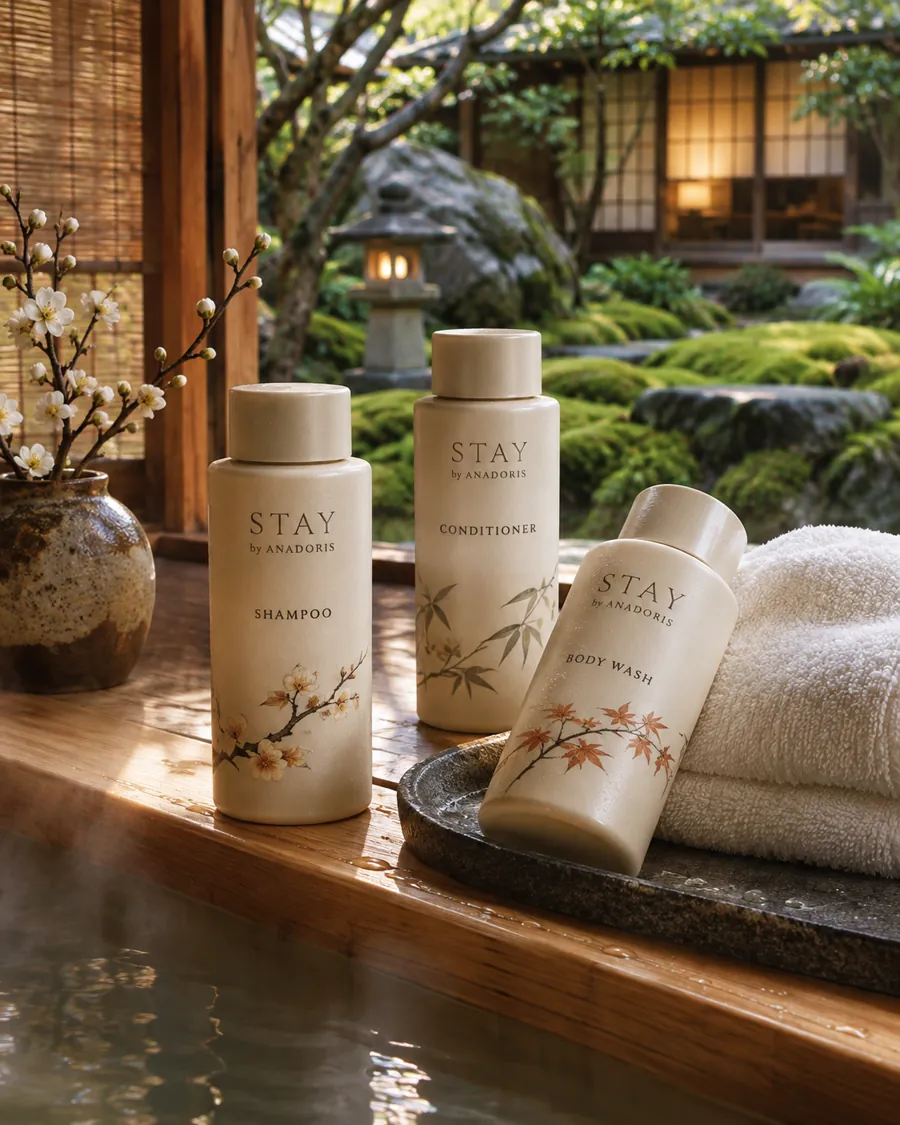
GMP in practice at STAY
STAY manufactures under GMP for cosmetics at its 40,000 sq ft facility in Ambala, which is certified to ISO 22716 alongside ISO 9001 and ISO 14001. Batch vessels range from 100 kg to 600 kg, and each batch is recorded and released against its specification. You can read more about the process on the manufacturing page.
Questions on this topic
Is ISO 22716 a legal requirement?
In the EU, GMP is required by law and ISO 22716 is the presumed route to meet it. Certification itself is voluntary but widely requested by buyers.
Is GMP the same as ISO 9001?
No. ISO 9001 is a general quality management standard for any industry. ISO 22716 is specific to cosmetics manufacturing practice.
Does GMP cover the fragrance supplier too?
GMP covers how the manufacturer approves and controls incoming materials, including fragrance, but the fragrance house runs its own quality system.
Can a factory follow GMP without being certified?
Yes. Certification is independent confirmation. A buyer can also assess GMP directly through an audit.
Keep reading
- What documents should you ask an amenity supplier for?
- What is an INCI list and how do you read one?
- Fragrance allergens: what must appear on an amenity label?
- What does a certificate of analysis show for an amenity batch?
- How to stock an Airbnb bathroom
- Hospital and clinic bathroom amenities: what to consider
- Gym locker room amenities: a practical checklist
Looking for supply? See Hotels & resorts, browse the product range or request samples.